Detail Article
Tips for Choosing the Best Marine Water Cooler
16 April, 2025
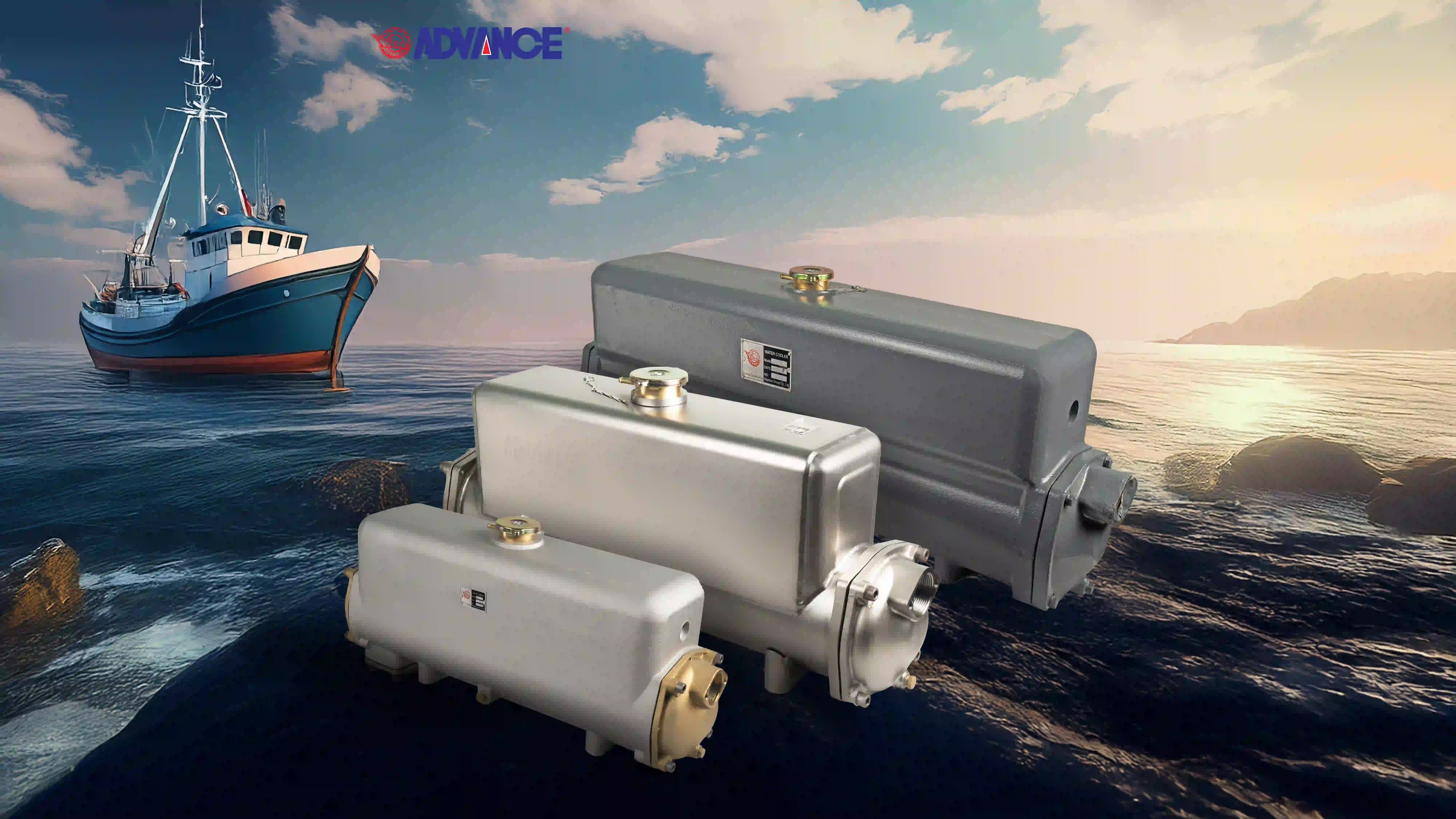
An effective cooling system is a critical component of ship operations. Amid the high-intensity demands of engine work, water coolers play a vital role in maintaining optimal temperatures and preventing damage from overheating. In this guide, we’ll take an in-depth look at what a marine water cooler is, the different types available, key factors to consider, and the efficiency and energy consumption associated with these cooling systems.
What is a Marine Water Cooler and What is Its Main Function?
A marine water cooler is a device designed to maintain stable engine temperatures by cooling the ship’s operating systems. Its main functions include:
-
Maintaining Engine Temperature Stability: Water coolers use fresh water and seawater as coolants to facilitate heat exchange, helping keep engine temperatures stable and preventing overheating.
-
Enhancing Engine Performance: Maintaining an optimal operating temperature allows the engine to function more efficiently and extends the lifespan of engine components.
-
Preventing Damage: A properly functioning water cooler helps prevent serious damage caused by excessive heat, reducing maintenance costs and minimizing downtime.
Types of Marine Water Coolers: Advantages and Disadvantages
The choice of water cooler depends on the ship’s specific needs and operating conditions. Below are some commonly used types:
a. Shell and Tube Cooler
Advantages:
-
High cooling capacity due to a design that effectively separates liquid and air flow.
-
Relatively simple structure, making maintenance easier.
Disadvantages:
-
Tends to be larger and heavier, requiring more installation space.
-
Cooling efficiency may decrease if coolant flow is not optimal.
b. Plate Heat Exchanger
Advantages:
-
Compact and lightweight design, ideal for installations in tight spaces.
-
Large surface area enables more effective and efficient heat transfer.
Disadvantages:
-
Cleaning and maintenance can be more difficult due to the dense structure.
-
Higher risk of clogging if the coolant becomes contaminated with dirt or sediment, which can reduce cooling efficiency and potentially impact engine performance.
Each type offers distinct advantages and drawbacks that should be evaluated based on the vessel’s operational requirements and available maintenance resources.
Key Factors in Choosing a Marine Water Cooler
Selecting the right marine water cooler involves more than just choosing a type; several other factors must also be considered:
-
Cooling Capacity: Ensure the water cooler can handle the engine’s required cooling load. Its size and capacity should match the engine’s total thermal load.
-
Vessel Type and Engine Size: Different vessel types—such as commercial ships, cruise liners, or fishing boats—require tailored cooling solutions based on engine specifications.
-
Operating and Environmental Conditions: Environmental factors like air temperature, humidity, and airflow speed significantly affect cooling efficiency. Additionally, the quality of the surrounding water (fresh or seawater) is crucial, as salt content can impact material performance.
Water Cooler Material and Construction
To ensure durability and optimal performance, material selection must account for corrosion risks in marine environments, characterized by high salt content, humidity, and exposure to aggressive substances that accelerate material degradation. Water cooler construction typically consists of two main components: the body (outer shell) and the tube (the heat exchanger core).
1. Body
-
Fiberglass:
Often chosen for its lightweight properties. Advantages include being rust-resistant and relatively cost-effective. However, its limited strength makes it unsuitable for high-pressure or extreme environments. -
Stainless Steel:
A top choice in the maritime industry due to its excellent resistance to seawater corrosion and strong structural integrity. While more expensive, its durability and low maintenance needs make it a worthwhile investment. -
Cast Iron:
Known for its strength and ability to withstand high pressure, making it suitable for systems requiring extra durability. However, without a protective coating, it is prone to rust, and its heavy weight can pose installation challenges.
2. Tube (Heat Exchanger Core)
-
Stainless Steel:
Offers maximum protection against corrosion and contamination, making it ideal for systems using seawater or aggressive coolants. It is also resistant to high pressure and extreme temperature fluctuations. -
Brass (Copper):
Provides a good balance between mechanical strength and heat conductivity. Its corrosion resistance makes it an economical alternative for systems operating under moderate pressure and temperature conditions.
Conclusion
Choosing the right marine water cooler requires a solid understanding of its function, available types, and the operational factors that affect its performance. An effective cooling system not only maintains engine temperature but also plays a crucial role in ensuring optimal engine performance and extending the lifespan of ship components. Ultimately, investing in the right water cooler adds long-term value by improving operational efficiency and reducing maintenance costs.